Discover Better Places to Eat with FindMyResto
Introduction
Choosing a restaurant should be easy and enjoyable. But finding the right place can take time. You may want tasty food, low prices, or a place for family dinner. You might also need a restaurant close to home. Good information can help you make a better choice.
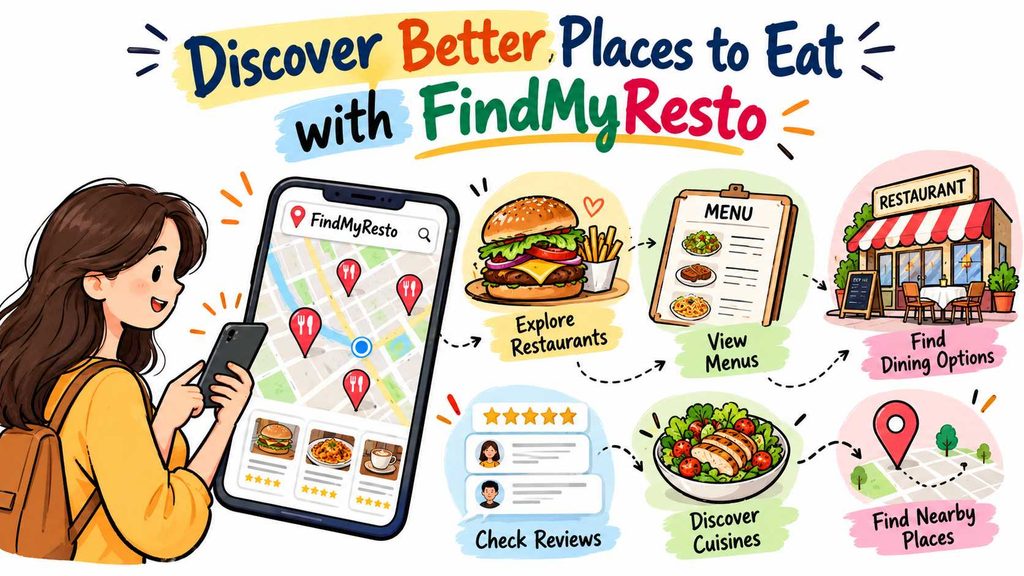
FindMyResto offers a starting point for exploring dining options. You can look for places that match your needs and preferences. Before you visit, check the menu, prices, location, and opening hours. These details can help you plan your meal with confidence.
1. Find Restaurants Near Me
Searching for nearby restaurants can save time. It also helps you explore food options around your home, office, or travel destination.
Start with your location and preferred food type. Then compare the available restaurant details. Look at the distance, menu, prices, and customer feedback when available.
Do not pick a place based only on distance. A nearby restaurant may not fit your budget or taste. Check its details before you leave.
2. Compare Restaurant Menus and Prices
A menu helps you decide what to eat. Prices help you plan how much to spend.
Compare dishes across a few restaurants before making your choice. Check portion sizes, meal deals, and extra charges when available. If you have a strict budget, focus on options within that range.
Menu prices and dishes can change. Contact the restaurant if you need the latest details. This simple step can help you avoid unexpected costs.
3. Explore an Online Restaurant Directory
An online restaurant directory helps people discover places to eat. It can bring restaurant details together in one place.
Depending on the listing, you may find the restaurant name, address, cuisine, menu, and contact information. Some listings may provide more details than others.
Use the directory to build a shortlist. Then compare your choices before visiting. Always confirm important details when the information seems unclear or outdated.
4. Check Restaurant Table Booking Online
Planning ahead can make dining easier, especially during busy hours. Some restaurants let customers request tables online.
Before booking, check the date, time, guest count, and any special requests. Look for a clear confirmation before assuming the table is reserved.
Not every restaurant offers online booking. If you cannot find a booking option, call the restaurant directly. Ask about seating and expected waiting times.
5. Find Restaurants by Cuisine
Your food preference can help narrow your search. You might want Indian, Italian, Chinese, Mexican, or another type of cuisine.
Search for the food you enjoy. Then review the menu to see which dishes the restaurant serves. If you follow a special diet, ask about ingredients and cooking methods.
Trying a new cuisine can also make dining more exciting. Compare several restaurants to find a menu that suits your taste.
6. Discover Affordable Restaurants Near Me
You do not need to spend a lot to enjoy a meal out. Many diners look for places that offer good choices within a set budget.
Start by deciding how much you want to spend. Compare menu prices and meal options. Remember to include travel costs, taxes, and service charges where they apply.
A cheap dish may not always mean a low final bill. Review the full cost before choosing a restaurant.
7. Use a Restaurant Discovery Platform
A restaurant discovery platform can help you explore different dining options. It gives you a starting point when you are unsure where to eat.
Begin with your preferred location and cuisine. Next, check menus, prices, and opening hours. Compare a few places before making your decision.
FindMyResto can help you start exploring restaurant options. The information available may vary by listing, so confirm important details directly with the restaurant.
8. Create a Free Restaurant Listing
Restaurant owners can use online listings to help people discover their businesses. A clear listing gives customers basic information before they visit.
Include the restaurant name, address, phone number, cuisine, and opening hours. Add menu details or photos when the platform allows them.
Free listing options depend on each platform’s rules. Check the current terms before submitting your details. Keep your information up to date so customers can reach you easily.
9. List Your Restaurant Online
An online listing can help a restaurant build its digital presence. It gives potential customers another way to learn about the business.
Prepare accurate contact details and a clear description of your restaurant. Add current menu information if the platform supports it. Check every detail before publishing the listing.
Restaurant owners should review their listings from time to time. Update changed prices, hours, phone numbers, and addresses. Accurate information can help customers plan their visits.
10. Build a Helpful Restaurant Menu Website
A restaurant menu website lets customers review food choices before they arrive. It can show dishes, prices, meal categories, and special offers.
Keep the menu clear and easy to read. Use simple dish names and current prices. Make sure people can view the website on mobile phones.
If you share allergen or dietary details, check them carefully. Customers may use this information to decide what they can safely eat.
11. Compare Restaurants Before Choosing
A quick comparison can help you avoid a poor fit. Focus on the details that matter most to your visit.
| Detail | What to consider |
|---|---|
| Location | How far will you travel? |
| Menu | Does the restaurant serve food you enjoy? |
| Prices | Does the meal fit your budget? |
| Opening hours | Will the restaurant be open when you arrive? |
| Customer reviews | What experiences do other diners report? |
| Booking | Can you confirm a table in advance? |
No single detail gives you the full picture. Compare a few factors before making your final choice.
12. Avoid Common Restaurant Search Mistakes
A few small checks can improve your dining plans. Watch out for these common mistakes.
- Choosing by distance alone: Compare food, prices, and travel time.
- Ignoring menu costs: Review prices before visiting.
- Trusting old opening hours: Confirm the restaurant’s current schedule.
- Skipping customer reviews: Read available feedback with care.
- Forgetting dietary needs: Ask about ingredients before ordering.
- Assuming a booking is confirmed: Check for a clear confirmation.
- Missing extra charges: Ask about taxes and service fees.
- Comparing only one restaurant: Review other options first.
- Using the wrong address: Check the location before leaving.
- Waiting until the last minute: Contact the restaurant early for special requests.
These checks can help you plan a smoother dining experience.
13. Everyday Examples of Restaurant Discovery
Example 1: Choosing a lunch spot
Aman has little time for lunch. He searches for nearby restaurants and checks their menus. He picks a place that fits his schedule and budget.
Example 2: Planning a family meal
Priya wants to take her family out for dinner. She compares menu options and prices. She calls the restaurant to ask about seating for everyone.
Example 3: Staying within budget
Three friends want an affordable meal. They compare dish prices and travel costs. Then they choose a restaurant that suits their shared budget.
Example 4: Promoting a small restaurant
A restaurant owner wants more people to find the business online. The owner prepares a listing with accurate contact details and menu information. Before publishing it, the owner checks the platform’s rules.
These examples show how simple research can help both diners and restaurant owners.
14. Discover Dining Options with FindMyResto
Finding a restaurant becomes easier when you know what to check. A useful starting point can help you compare places and plan your next meal.
FindMyResto offers a way to explore dining options and review available restaurant information. Restaurant owners can also explore online listing opportunities, depending on the platform’s current services.
Visit findmyresto.com to learn more. Review the information available and contact restaurants when you need to confirm prices, opening hours, or booking details.
Frequently Asked Questions
1. How can I find restaurants near me?
Start by searching for restaurants around your current location. Compare their menus, prices, cuisine, and opening hours. Check the address before leaving home or work. If you need a particular dish or seating option, contact the restaurant first. These steps can help you choose a place that suits your plans.
2. How can I compare restaurant menus and prices?
Check the menus of several restaurants before making a decision. Compare dish prices, portion sizes, and available meal options. Remember to check taxes and service charges when they apply. If the menu does not show current prices, contact the restaurant. A quick comparison can help you stay within your budget.
3. What does an online restaurant directory do?
An online restaurant directory helps people explore dining places. It may show restaurant names, addresses, cuisines, menus, and contact details. The information depends on each listing and platform. You can use a directory to shortlist options, then check important details before visiting or contacting the restaurant.
4. Can I book a restaurant table online?
You can request a table online when the restaurant supports that service. Check your date, time, and number of guests before submitting the request. Wait for confirmation before assuming the booking is complete. If the restaurant has no online booking option, call its staff to ask about table availability.
5. How do I search for a specific cuisine?
Start by searching for the type of food you want. You can look for Indian, Italian, Chinese, Mexican, or other cuisines. Review each restaurant’s menu to check its dishes. If you have allergies or dietary needs, ask about ingredients and food preparation before placing an order.
6. How can I find affordable restaurants nearby?
First, set a clear spending limit for your meal. Compare menu prices, meal deals, travel costs, and extra charges. Check which restaurants offer suitable dishes within your budget. Do not rely on one low price alone. Reviewing the full cost can help you make a better dining choice.
7. What should I check before visiting a restaurant?
Review the address, opening hours, menu, and prices before you leave. Read available customer feedback for extra context. If you need a table, contact the restaurant to confirm the booking. For group meals, ask about seating and special requests. These checks can help you avoid delays and confusion.
8. Can restaurant owners create online listings?
Many online directories let restaurant owners submit business details. The rules, review process, and available features vary by platform. Owners should prepare the restaurant name, address, phone number, opening hours, and menu details. Read the platform’s current terms before submitting the listing, and update the information when details change.
9. Are free restaurant listings available?
Some platforms offer free restaurant listings, but the terms differ. A free plan may include basic business details, while other features may cost extra. Check the platform’s current pricing and rules before signing up. This helps you understand what the listing includes and whether it meets your business needs.
10. Why should a restaurant share its menu online?
An online menu lets customers check food choices before visiting. It can include dish names, prices, meal categories, and special offers. Keep the information clear and current. Update the menu when prices or dishes change. A mobile-friendly menu also helps customers read it on their phones.
11. How can I check restaurant details before visiting?
Compare the listing with the restaurant’s own website or contact information. Call if the opening hours, menu, or prices seem unclear. Ask about changes that may affect your visit. This matters during holidays, special events, and busy periods, when normal schedules or menus may change.
12. How does FindMyResto help people explore restaurants?
FindMyResto can provide a starting point for exploring dining options. Review the information available for each restaurant and compare places that match your needs. Since details can vary, contact the restaurant to confirm important information. This approach helps you make an informed choice before you travel or plan a meal.
Final Thoughts
Choosing a restaurant should not require hours of searching. Start with your location, budget, and preferred food. Then compare menus, prices, opening hours, and other useful details. Restaurant directories can help you explore options and build a shortlist. Restaurant owners can also use online listings to share accurate business information. FindMyResto offers a starting point for discovering dining choices. Always confirm important details with the restaurant before you visit or book. With a little planning, you can find a place that fits your taste, schedule, and budget.
Leave a Reply