Employee Onboarding Software: Build a Better Journey from Offer Acceptance to Confirmation
Introduction
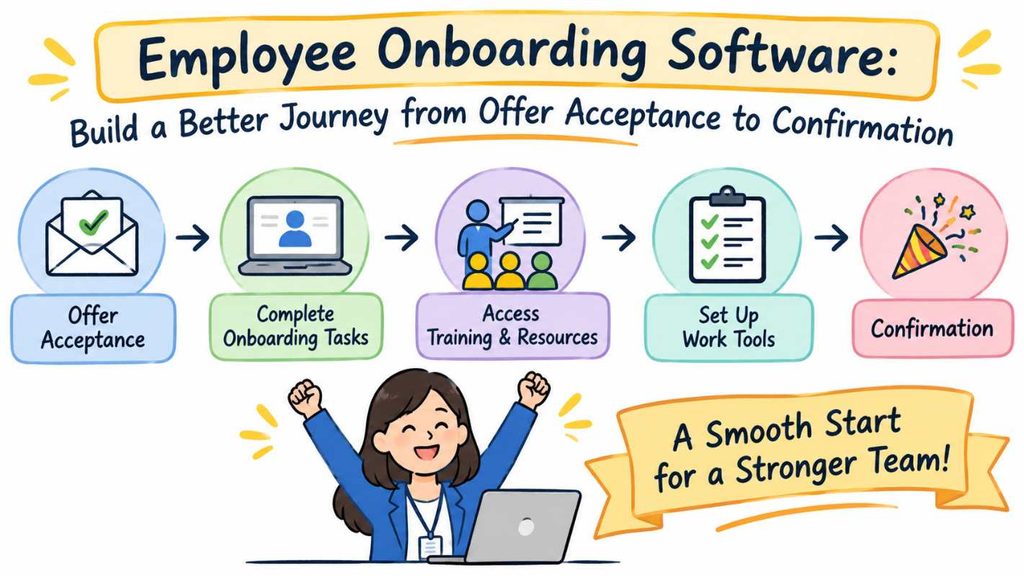
A new employee’s journey starts long before their first day at work. It begins when they accept the job offer. From that moment, HR teams must guide each new hire through several important steps. They must manage documents, prepare equipment, share tasks, plan training, and track progress. Without a clear process, small tasks can slip through the cracks. Managers may miss check-ins, and new hires may feel unsure about their next steps. Employee Onboarding Software helps teams manage these activities in one clear process. It connects offer management, preboarding, daily tasks, probation reviews, and employee confirmation. This guide explains how to build a smooth process from the first offer to the final confirmation decision.
Start with a Clear Onboarding Journey
Employee onboarding should give every new hire a clear path. Each person needs to know what happens next, who can help, and when they must complete each task. HR teams also need a simple way to track progress across departments. A well-planned process connects every stage, from offer acceptance to employee confirmation. It also helps managers take responsibility for their part of the journey.
A strong onboarding process should include:
- A clear job offer and acceptance record.
- A simple preboarding plan.
- A list of joining documents.
- A ready workspace, device, and system access.
- A planned first day.
- Role-based training and learning tasks.
- Regular manager check-ins.
- Clear probation goals and review dates.
- A documented confirmation decision.
When teams follow the same steps, they can give new hires a more consistent start.
Map Every Stage from Offer to Confirmation
A timeline helps HR teams understand what they must do at each stage. It also shows managers when they need to support a new employee. Teams can adjust the timeline to match each role, joining date, and company policy.
| Stage | Main activities | Responsible person or team | Expected outcome |
|---|---|---|---|
| Offer acceptance | Share the offer, manage revisions, record acceptance | HR or recruitment team | Clear offer record |
| Preboarding | Collect documents, share joining details, prepare tasks | HR and new hire | Joining preparation |
| First day | Welcome the employee, explain policies, provide access | HR and manager | A clear first-day experience |
| First 30 days | Start training, explain role goals, hold check-ins | Manager and team | Role understanding |
| Days 31–60 | Review progress, discuss challenges, give feedback | Manager and employee | Clear progress updates |
| Days 61–90 | Review goals, discuss performance, plan next steps | Manager and HR | A documented probation decision |
The exact timeline may differ across organizations. Some roles need longer training or different probation periods. HR teams should align each stage with company policy and the employee’s agreement.
Manage Job Offers Without Losing Track
Offer management creates the first formal step in the employee journey. HR teams may need to share an offer, update details, answer questions, and record acceptance. Manual tracking can make it hard to follow each change. Offer Letter Management Software gives teams a structured way to manage these steps. It helps HR keep offer details and candidate responses together.
A clear offer process should cover:
- Create an offer with the correct role and joining details.
- Share the offer with the selected candidate.
- Track questions and requested changes.
- Manage offer revisions with clear records.
- Record the candidate’s acceptance.
- Share the next joining steps after acceptance.
HR teams should check every offer before they send it. They should also follow company rules and local employment requirements. Clear records help HR answer questions later.
Prepare New Hires Before Their First Day
Preboarding starts after a candidate accepts the offer. It helps the new hire prepare for the first day. HR teams can share joining instructions, request documents, and explain what the employee should expect. Employee Preboarding Software helps organize these tasks before the employee joins. It also gives HR a way to track pending work.
A useful preboarding plan can include:
- Welcome messages and joining instructions.
- A list of required documents.
- Personal information forms.
- Details about the office or remote work setup.
- Equipment and access requests.
- First-day schedules.
- Contact details for the HR team or manager.
HR should avoid sending too many requests at once. Clear instructions help new hires complete each task with less confusion. Teams should also collect only the personal information they need.
Use Onboarding Workflow Automation to Track Work
Many people take part in onboarding. HR teams, managers, IT staff, finance teams, and new hires may all have tasks to complete. A missed handoff can delay the process. Onboarding Workflow Automation helps teams assign tasks, set deadlines, send reminders, and track updates. It gives each person a clear view of their responsibilities.
Teams can use workflow automation to:
- Assign tasks to the right person.
- Set due dates for each activity.
- Send reminders before deadlines.
- Track completed and pending tasks.
- Share updates with the right stakeholders.
- Follow the same process for similar roles.
- Review task progress through dashboards.
Automation can organize routine work, but it cannot replace human support. Managers still need to welcome employees, answer questions, and provide useful feedback. HR teams should review workflows often and update them when company needs change.
Build a New Hire Onboarding Checklist
A checklist helps teams track the small tasks that support a successful start. It also reduces the chance of missing important steps. A New Hire Onboarding Checklist should cover the full journey, not just the first day. HR teams can create different checklists for different roles or departments.
| Task | When to complete it | Responsible person | Why it matters |
|---|---|---|---|
| Share and confirm offer documents | Before joining | HR team | Records the agreed offer |
| Collect joining paperwork | Before or on joining day | HR and new hire | Keeps required details together |
| Arrange laptop and equipment | Before joining | IT team | Prepares the work setup |
| Create system access | Before or on joining day | IT team | Helps the employee start work |
| Plan orientation | First day | HR team | Explains the company and process |
| Assign role-based training | First week | Manager | Supports role understanding |
| Schedule check-ins | During onboarding | Manager | Creates regular feedback points |
| Conduct probation reviews | At planned review dates | Manager and HR | Tracks progress |
| Prepare confirmation documents | After the decision | HR team | Records the next employment step |
Teams should assign an owner to every task. They should also set a realistic deadline. A checklist works best when people update it as they complete each activity.
Give Employees One Place to Complete Their Tasks
New hires often need to read instructions, share details, upload documents, and complete tasks. Email threads can make these steps hard to follow. An Employee Onboarding Portal gives new hires one place to manage these activities. They can review offer details, submit personal information, upload documents, and check pending tasks through their phones.
A useful portal should help employees:
- Review their offer details.
- Submit required personal information.
- Upload joining documents.
- View assigned tasks.
- Check task deadlines.
- Follow joining instructions.
- Track their onboarding progress.
HR teams should keep portal instructions short and clear. They should also limit access to authorized people. A portal should collect only the information that the organization needs for its process.
Set Clear Goals for the First 90 Days
The first three months can shape how a new employee understands their role. A 30 60 90 Day Onboarding Plan gives managers a simple way to set goals and review progress. Each stage should have clear tasks, learning goals, and check-in dates. Managers can then discuss what the employee has learned and where they need more support.
First 30 days: Learn the role and the workplace
- Explain the employee’s role and main duties.
- Introduce team members and key contacts.
- Share tools, systems, and work processes.
- Set early learning goals.
- Schedule regular check-ins.
Days 31–60: Build skills and take on more work
- Review progress against early goals.
- Assign role-based tasks.
- Discuss work challenges.
- Share clear feedback.
- Update learning needs.
Days 61–90: Review progress and plan next steps
- Check progress against agreed goals.
- Discuss strengths and improvement areas.
- Review the employee’s support needs.
- Gather manager feedback.
- Prepare a documented probation decision.
Managers should adjust goals to fit the role. A new engineer may need different milestones from a sales executive. The plan should support real work, not just fill a calendar.
Track Probation with Regular Check-Ins
Probation gives employers and new hires time to review role fit, work progress, and support needs. Employee Probation Management Software helps HR teams organize review dates, feedback, tasks, and decisions. It can also help managers follow a clear review process. This matters because teams may otherwise miss important dates or rely on scattered notes.
A useful probation process should include:
- Clear probation start and end dates.
- Role-based performance goals.
- Planned manager check-ins.
- Notes about progress and challenges.
- Employee feedback.
- Review reminders.
- A documented decision.
Managers should discuss concerns early. They should explain what needs to improve and offer suitable support. HR teams should follow company policy and the employee’s agreement when they manage probation.
Keep Feedback Useful and Easy to Follow
Regular feedback helps employees understand their progress. It also gives managers a chance to spot problems before the final review. A short check-in can cover completed work, current challenges, learning needs, and upcoming goals. Managers should keep the discussion open and give examples when they share feedback.
A simple check-in can cover:
- What work has the employee completed?
- Which tasks caused difficulty?
- What skills need more practice?
- Does the employee need help or resources?
- What goals should they focus on next?
Managers should record key points and agree on the next steps. They should also give employees a chance to share their views. Good feedback should guide improvement, not create fear.
Prepare the Employee Confirmation Process
Employee confirmation marks an important point in the employment journey. HR teams should review the employee’s progress before they make a decision. Managers should share clear feedback and refer to the goals set during onboarding. The company should then follow its policy and the employee’s agreement.
The confirmation process may include:
- Check the probation end date.
- Review agreed goals and work progress.
- Collect manager feedback.
- Discuss any open concerns.
- Record the final decision.
- Inform the employee about the outcome.
- Prepare the required confirmation document.
An Employee Confirmation Letter Generator can help HR teams create confirmation letters through an organized workflow. It can use company templates after the organization makes a successful probation decision. HR should check the employee’s details and letter content before sharing the document.
Common Onboarding Problems and Practical Fixes
Even a well-planned process can face problems. Teams should review where delays happen and fix the steps that cause confusion. Here are common mistakes and simple ways to avoid them.
1. Sending unclear joining instructions
New hires may not know what documents to bring or where to report. Share a clear joining guide with dates, contacts, and required steps.
2. Starting preparation too late
Late equipment or access requests can affect the first day. Begin preboarding tasks soon after offer acceptance.
3. Using the same checklist for every role
Different roles need different tools and training. Create checklists that match each department and job.
4. Giving employees too much information at once
Long messages can confuse new hires. Share important details in small, timely steps.
5. Forgetting manager responsibilities
HR cannot handle every onboarding task alone. Assign managers clear duties and deadlines.
6. Skipping regular check-ins
Employees may struggle without feedback. Schedule check-ins throughout the first 90 days.
7. Waiting until the final week to review probation
Late reviews leave little time to discuss concerns. Set review dates early and track them.
8. Keeping feedback in scattered messages
Important details can get lost across emails and chats. Record key feedback in the right place.
9. Collecting more personal data than needed
Extra information can increase privacy risks. Ask only for details required by the organization.
10. Treating confirmation as a paperwork task
Confirmation needs a fair review, not just a letter. Check progress, discuss feedback, and record the decision before preparing the document.
Best Practices for a Consistent Onboarding Process
A good process needs clear ownership, useful tools, and regular review. HR teams should keep the process simple enough for everyone to follow. They should also update it when roles, policies, or team needs change.
Useful practices include:
- Create a standard process for each role type.
- Assign one owner to every onboarding task.
- Set deadlines that match the joining timeline.
- Use reminders for important activities.
- Give employees clear instructions.
- Keep managers involved throughout onboarding.
- Schedule regular progress reviews.
- Use templates for repeatable tasks.
- Review dashboards to find pending work.
- Limit personal data access to authorized users.
- Update checklists when company needs change.
- Keep a record of key decisions and feedback.
HR teams should also ask new hires about their experience. Their feedback can show where instructions or tasks need improvement.
How DayOneFlow Supports the Employee Journey
DayOneFlow helps organizations manage the employee journey from job offer to confirmation. The platform brings key onboarding activities into a connected process. HR teams can manage offer details, prepare new hires, assign tasks, and track probation reviews. They can also use checklists, templates, dashboards, and reporting to organize their work.
DayOneFlow supports key activities such as:
- Offer management: Manage offer details, revisions, and candidate acceptance records.
- Preboarding: Organize joining preparation, documents, and responsibilities.
- Workflow automation: Assign tasks, set deadlines, send reminders, and share updates.
- Custom checklists: Create onboarding steps for different roles and teams.
- Employee portal: Let new hires review offers, submit details, upload documents, and complete tasks through phones.
- Probation tracking: Manage review dates, feedback, deadlines, and documented decisions.
- 30 60 90 day plans: Track milestones, manager feedback, and check-ins.
- Confirmation letter workflow: Use company templates after a successful probation decision.
- Dashboards and reports: Review task progress and onboarding activity.
- Access controls and audit trails: Support organized access and record keeping.
Organizations can explore the platform at dayoneflow.com. HR teams should match the setup to their own policies, roles, and approval steps. They should also review access rules before they collect employee information.
Practical Examples from Everyday HR Work
The following fictional examples show how teams can organize common onboarding situations. They do not describe actual DayOneFlow customers or results.
Scenario 1: A growing company hires several employees
A growing company hires people across sales, support, and operations. HR creates separate checklists for each role. The team assigns equipment, document, and training tasks to the right owners. Managers receive clear deadlines for their activities. New hires can follow their joining tasks through the employee portal.
Scenario 2: A manager needs to track probation reviews
A manager supports several new employees. Each employee has different goals and review dates. HR sets check-ins and probation deadlines in the workflow. The manager adds feedback during each review. HR can then check progress and follow the company’s decision process.
Scenario 3: A remote employee joins the company
A remote employee needs documents, system access, and clear joining instructions. HR shares the required steps before the start date. IT handles equipment and access tasks. The manager plans online introductions and role training. The employee uses the portal to review instructions and complete assigned tasks.
Scenario 4: HR prepares a confirmation letter
An employee reaches the end of probation. The manager reviews the agreed goals and shares feedback. HR checks the decision and follows the company process. After a successful decision, HR uses the confirmation letter workflow and reviews the document before sharing it.
Frequently Asked Questions
What does Employee Onboarding Software help HR teams manage?
Employee Onboarding Software helps HR teams organize tasks from offer acceptance to employee confirmation. It can support offer records, preboarding, joining documents, checklists, reminders, and progress tracking. Some platforms also support probation reviews and confirmation workflows. HR teams should review each platform’s actual features before choosing one.
Why should a company plan onboarding before the joining date?
Early planning gives HR and managers time to prepare documents, equipment, access, and joining instructions. It also helps new hires understand what they need to do. A clear plan can reduce last-minute confusion. Teams should start preparation after offer acceptance and assign each task to the right owner.
Which tasks belong in an employee preboarding process?
Preboarding tasks often include welcome messages, joining instructions, personal details, document requests, equipment planning, and first-day schedules. HR can also share contact details and explain the next steps. Each organization should choose tasks that match its needs. Teams should avoid collecting personal information that they do not require.
How does Onboarding Workflow Automation support HR teams?
Onboarding Workflow Automation helps teams assign tasks, set deadlines, send reminders, and track progress. It gives HR, managers, and other teams a clearer view of their responsibilities. Automation can support repeatable work, but people still need to guide new hires. Managers must continue to provide feedback and answer questions.
What should a New Hire Onboarding Checklist include?
A New Hire Onboarding Checklist should cover offer documents, joining paperwork, equipment, system access, orientation, training, and check-ins. It should also include probation reviews and confirmation documentation. HR teams should assign an owner and deadline to each task. They should update the checklist when company needs or role duties change.
How does an Employee Onboarding Portal help new hires?
An Employee Onboarding Portal gives new hires one place to review offers, submit personal details, upload documents, and complete assigned tasks. It can also help employees check their pending activities through phones. HR teams should write clear instructions and set suitable access rules. They should collect only the information needed for onboarding.
What should a 30 60 90 Day Onboarding Plan cover?
A 30 60 90 Day Onboarding Plan should set clear goals for each stage. The first 30 days can focus on learning the role. Days 31–60 can focus on building skills and handling more tasks. Days 61–90 can review progress and next steps. Managers should adjust goals to fit each job.
How can managers make probation reviews more useful?
Managers should set clear goals and schedule regular check-ins. They should discuss progress, explain concerns, and offer useful feedback. They should also record key points and agree on next steps. HR can help track review dates and documents. Managers should follow company policy and the employee’s agreement throughout probation.
When should HR prepare an employee confirmation letter?
HR should prepare the letter after the organization completes its probation review and makes the required decision. The team should check the employee’s details, decision record, and company template. An Employee Confirmation Letter Generator workflow can help organize this step. HR should review the final document before sharing it.
Can small businesses use employee onboarding software?
Small businesses can use employee onboarding software to organize joining tasks and responsibilities. A clear process can help a small HR team manage documents, reminders, checklists, and reviews. The company should choose features that match its current needs. It should also consider future hiring plans before setting up its workflows.
How can HR protect employee information during onboarding?
HR should collect only the information needed for the hiring and onboarding process. The team should limit access to authorized people and review permissions often. It should also follow company data policies and relevant privacy rules. Software can support access controls and records, but HR must manage information carefully.
What should a company check before choosing onboarding software?
A company should review the platform’s offer management, preboarding, checklists, employee portal, workflow automation, and probation features. It should also check reporting, templates, access controls, and audit trails. HR teams should compare these features with their own process. They should confirm that the platform supports their actual needs.
Final Thoughts
A clear onboarding process helps new hires understand their roles and next steps. It also helps HR teams and managers share work without confusion. Start with a clear offer process, prepare employees before joining, and assign tasks with realistic deadlines. Use checklists and regular check-ins to track progress. Then review probation goals before making a confirmation decision. Choose tools that support your actual process and protect employee information. DayOneFlow can help connect these stages in one organized workflow. With clear ownership and steady communication, your team can build a better employee journey from the first offer to confirmation.
Leave a Reply